
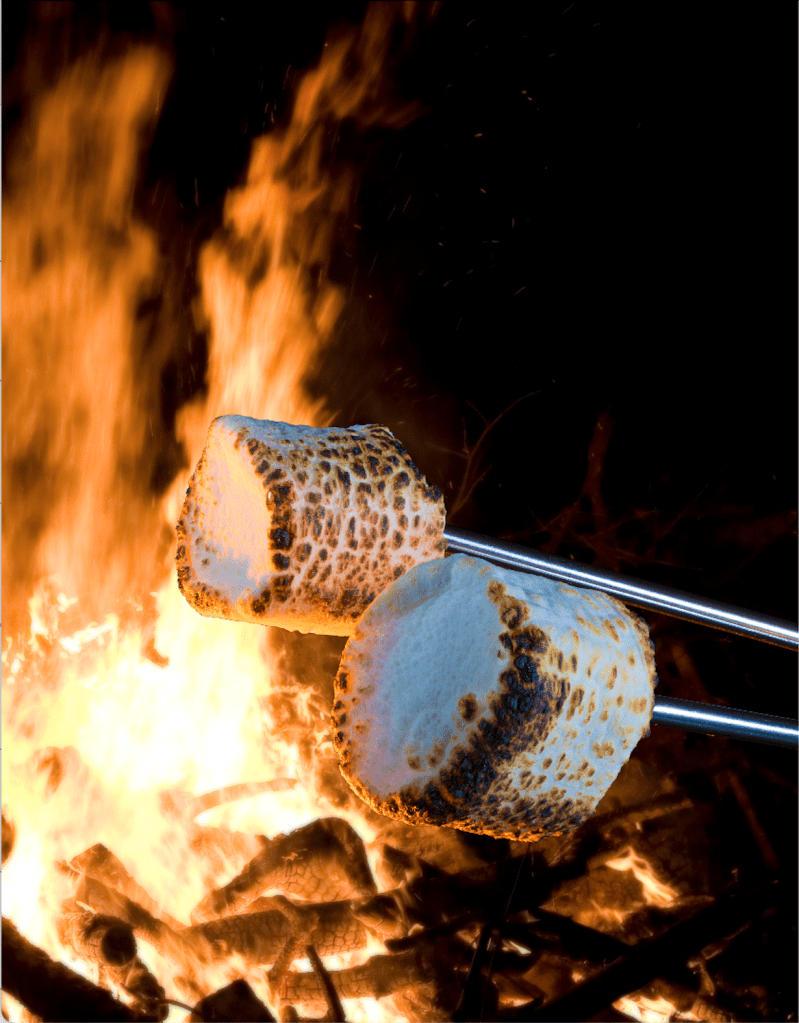
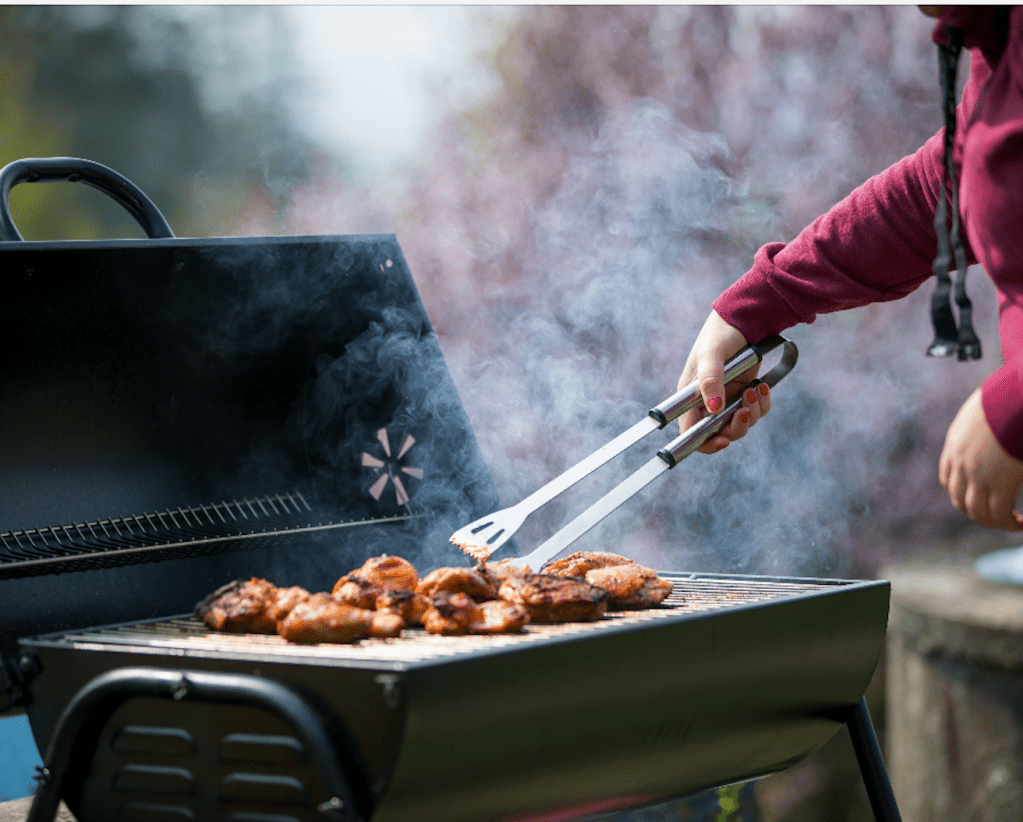
Summer is grilling season and a central part of many outdoor gatherings. However, cooking food, especially meat, over a hot grill creates smoke and other toxic substances. Similarly, cooking s’mores and other goodies over a campfire can also expose you to toxic smoke and char.
Charred food contains polycyclic aromatic hydrocarbons (PAHs), which are considered probable human carcinogens,1 as does the smoke generated when meat grease and juices drip onto hot cooking surfaces.2 In addition to those chemicals, cooking meat at high temperatures produces heterocyclic amines (HCAs), which have been linked to an increased risk of colorectal, breast, and prostate cancers.3,4
Here are a few tips for reducing your exposure to toxic chemicals while barbecuing:
- Soak meats for at least 30 minutes in a marinade that contains an acid (e.g. vinegar, lemon juice, or wine) and spices (especially rosemary and turmeric) to reduce formation of HCAs and other toxic chemicals.5,6
- Avoid using marinades with added sugars (e.g. honey, molasses, or syrup), as those can increase HCA formation.5 Barbecue sauces containing sweet components can be added near the end of cooking.
- Barbecue seafood or poultry instead of meat.7
- A diet high in grilled meat was associated with a higher risk of breast cancer and colon cancer, whereas one with more fish was associated with a lower risk of breast cancer.2,4
- Reduce the time food spends on the grill.
- Cook smaller pieces and avoid cooking the meat to well-done.
- Pre-cook foods such as poultry then finish on the grill. Just be sure to get them on the grill quickly to reduce the growth of food pathogens.2
- Reduce the temperature by cooking over gas instead of coals,8 so you have more control. Or raise the grill higher above the heat source.7
- Reduce formation of smoke by preventing grease and juices from dripping onto the fire.7
- Trim fat before cooking or choose lean meats.
- Place a barrier between the food and heat source.
- Put some color and extra nutrients on the grill by adding veggies and fruit. These don’t form HCAs when cooked, though if charred, will likely contain PAHs.
References
- CDC. What health effects are associated with PAH exposure? (Downloaded 12, July 2023). https://www.atsdr.cdc.gov/csem/pah/docs/pah.pdf
- American Institute for Cancer Research, Amy 21, 2019. Healthier choices and a bit of prep can reduce carcinogens and increase flavor.
- Zheng, W. and Lee, S-Ah. (2009). Well-done meat intake, heterocyclic amine exposure, and cancer risk. Nutr Cancer 61:437-446.
- Omofuma, O. O. et al. 2022, The association between meat and fish intake by preparation methods and breast cancer in the Carolina Breast Cancer Study (CBCS). Breast Cancer Res Treat. 193:187-201.
- Nerurkar, P. V. et al. 1999. Effects of marinating with Asian marinades or western barbecue sauce on PhIP and MeIQx formation in barbecued beef. Nutr Cancer 34:147-52.
- Nimkar, M. 2009 Masters Thesis. Inhibition of heterocyclic amines in beef patties by spices.
- MD Anderson Cancer Center. June 9, 2011. Keep cancer off the BBQ grill.
- City of Hope. June 29, 2023. Grilling and cancer risk: 7 tips for healthy BBQs.
- Pictures via Adobe Express.
 Dr. Laurel Standley