
In addition to providing sustenance and enjoyment, the food we eat can be contaminated with hundreds of toxic chemicals, including pesticides, plastic components, and cancer-causing molecules formed during cooking. While you can’t avoid everything, there’s a lot you can do to reduce your exposure in the first place, in other words, to pre-detox.
To figure out how you can avoid these unwelcome additions to your food, it’s important to understand where they come from. There are four main routes where toxic chemicals in food come from.
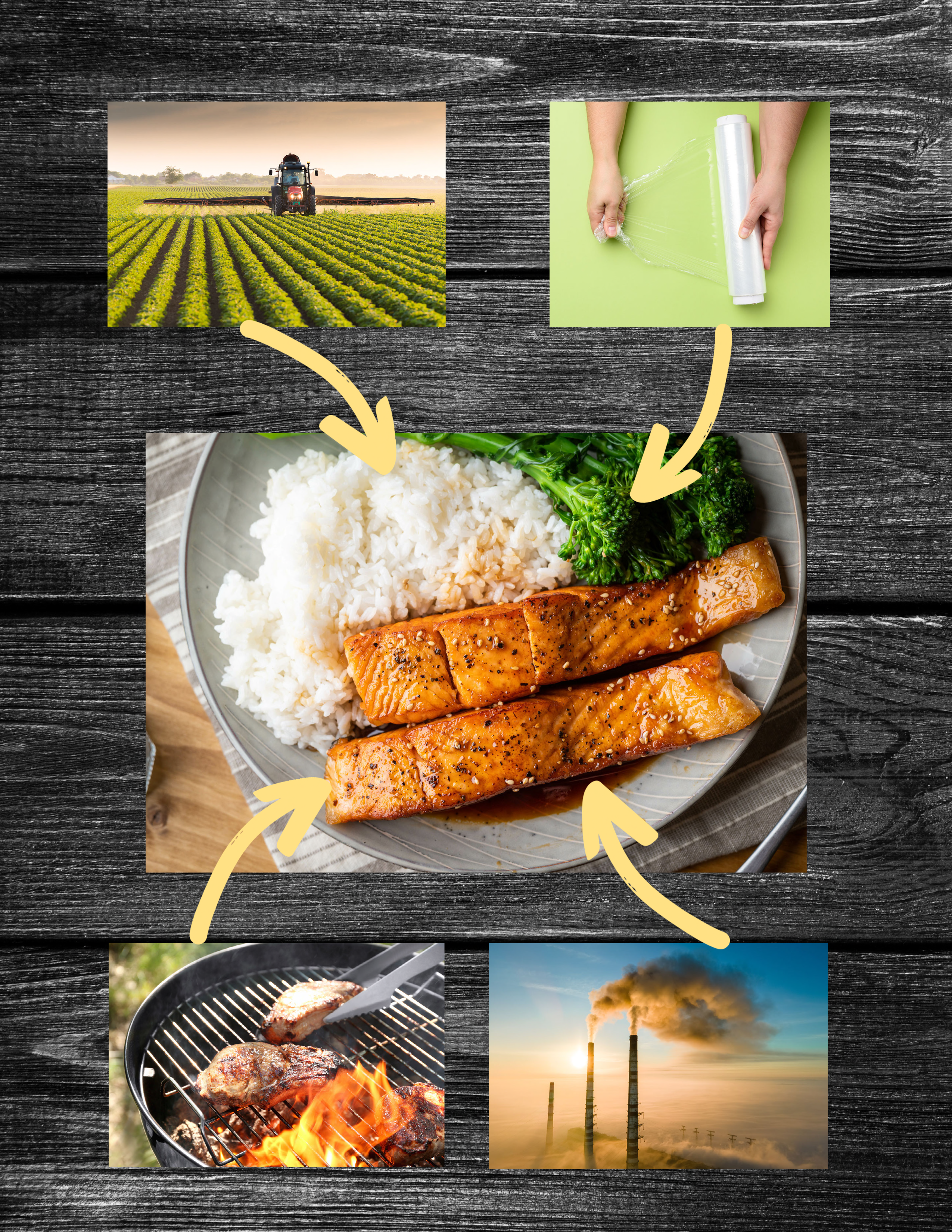
- They’re present in the environment, produced by industry or other means. They may arrive on atmospheric currents or in rain, in waterways used for irrigation or where fish swim, or they may contaminate the soil where food is grown or animals graze.
- They’re added to crops intentionally. This includes pesticides and fertilizers.
- They’re added during food processing, either intentionally as ingredients, many of which have received inadequate testing, or unintentionally through leaching from machinery and packaging. Those include plasticizers and nano- and microplastics.
- Finally, how we store and cook our food can also introduce toxic chemicals. Microwaving food in plastic containers, using nonstick pans that contain PFAS, or charring food at high temperatures are several ways toxic chemicals may be introduced into food.
There are a range of health issues related to these toxic chemicals, including cancer, endocrine disruption, and cardiovascular impairment. The impact of these chemicals on your health is not only determined by how much of them you’re exposed to but also how long they stay in your body (residence time) or how often you’re exposed, e.g. daily versus occasional exposures. I’ll delve more deeply into these issues as I discuss specific contaminants in future posts.
To help you get started, I’ve written these rules you can follow as you learn about this subject. These were inspired by Michael Pollan’s [food rules], which are great for maximizing nutritional quality of your food but with a greater focus on reducing contamination from toxic chemicals.
Laurel’s Food Rules
- Eat a primarily plant-based diet since animals bioaccumulate fat-soluble contaminants (PCBs, dioxins, etc.) into their fatty tissues. Plants are much less likely to do so. These chemicals can take many years to clear from your body.
- Choose organic whenever possible, especially for the produce items that are more contaminated with toxic pesticides. You can find out which items have higher levels of pesticides using EWG’s guide.
- As Pollan stated in his food rules, don’t eat anything your grandmother wouldn’t recognize. The best rule of thumb is to avoid heavily processed, packaged foods, which may come loaded with unhealthy ingredients and contamination from packaging.
- Finally, be careful about what you cook and store food in. The best options are cast iron, glass, and stainless steel. Avoid plastic and nonstick surfaces that contain PFAS (any poly- or perfluorinated chemicals).
Let me know if you have any questions or topics you want me to cover.
Note – if you deal with orthorexia, this subject may be difficult for you, and you may want to let this go.
 Dr. Laurel Standley