
There’s nothing quite like harvesting fresh produce from your garden. In addition to having access to high quality fruits and veggies, there are other reasons to grow your own. Home gardening can be a hedge against rising grocery prices. And in the spirit of our ancestors who grew some of their own food during World War II, many are calling our current versions “climate victory gardens.”
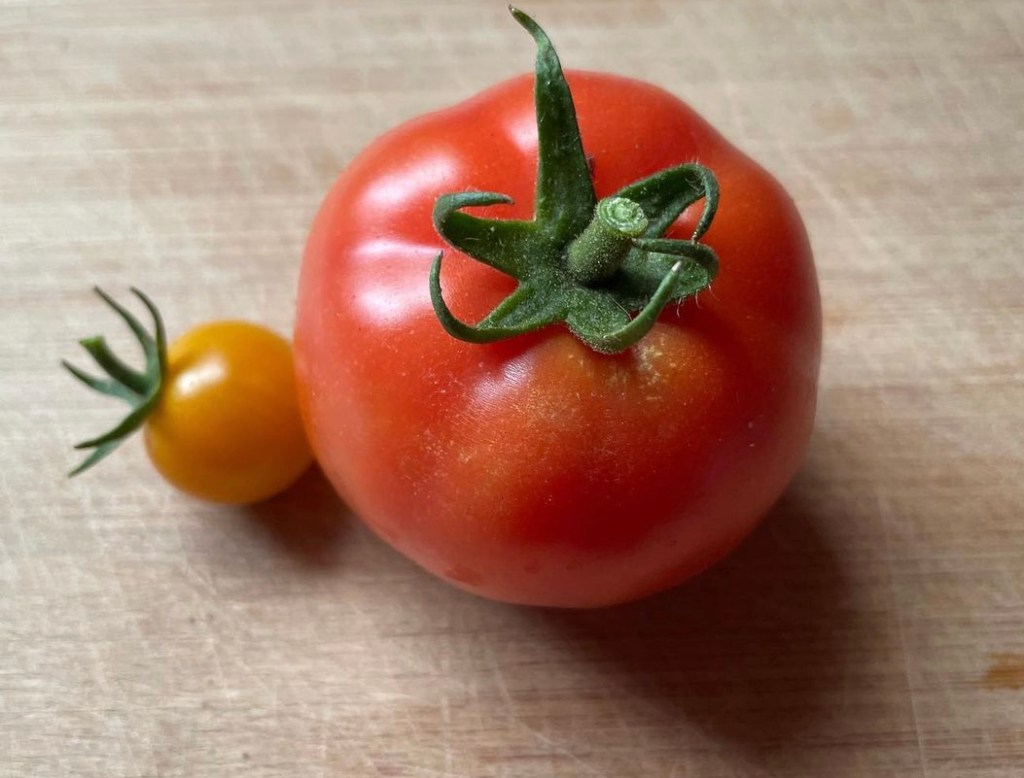
Granted, you can spend a lot setting up a home garden. Still, the produce is so much better than store bought and there are ways to economize. However, there are potential sources of toxic chemicals in gardens that you need to be aware of so that you can avoid them. Toxic chemicals can find their way into produce from soil to seed to harvest, both through use of pesticides or other toxic products and from contaminants present in the soil or environment. If you raise chickens, they and their eggs may also be exposed to and accumulate contaminants.
A couple of years ago, I posted a series of blogs on ways to keep toxic chemicals out of your home garden so that the produce you grow or animals you raise would be safer. I want to revisit that this year as home gardens become more popular. I’ll summarize the issues in this post, but recommend going back to the original posts from April – June 2023 for more details:
- Part 1. Avoiding toxic chemicals in your garden
- Part 2. Organic is not always “organic”
- Part 3. From seed to harvest: avoiding pesticides in your garden
Location and history of your land
Is your garden located near sources of airborne pollution? These can include industrial facilities, busy roads, railroad routes, commercial properties where diesel trucks idle, or farms or other entities like HOAs and municipalities that spray pesticides. How to protect your garden from these sources:
- Trees, tall hedges, and buildings can filter or shield your garden from some airborne pollution.
- If you’re located downwind from industrial facilities, check the EPA’s Toxics Release Inventory to determine what’s being emitted.
- If the municipality, your HOA, or a neighbor uses pesticides, request to be notified if and when they spray and cover your plants or ask that they use less toxic ways to control weeds and pests.
- If your garden is in the flight path of an airport, I don’t recommend growing produce since you can’t control what deposits from the sky.
Past uses of your property or use of toxic materials may have left toxic chemicals in the soil. These include:
- Old orchards likely treated with lead-arsenate.
- Industrial facilities might have left PCBs, heavy metals, or mercury in the soil.
- A house built before 1980 may have been painted with lead-based products, which can deposit lead-containing dust or chips into soil, especially around windows.
- Other sources of contamination to gardens include creosote-treated railroad ties and “pressure-treated” lumber, which may contain arsenic.
As evidence accumulates for negative health effects of plastics and their breakdown products, you may want to minimize use of plastic sheeting for combating weeds and other purposes. Use mulch or straw to reduce weed growth. Skip using newspapers, which may have toxic inks.
If you’re concerned about potential contamination by toxic chemicals in your soil, plant in raised beds with soils you trust and add a gravel barrier at the bottom over cardboard at the base to prevent uptake of toxic chemicals by your plants’ roots. You can also have your soil tested for lead and other contaminants:
- You may qualify to have your soil tested for lead for free at: https://www.360dustanalysis.com.
- Check with your local state university or agricultural extension agency to see if they offer free soil testing.
- You may also find a lab that is accredited by the EPA at: https://www.epa.gov/lead/national-lead-laboratory-accreditation-program-list
“Organic” soils and fertilizers
The next step in making sure your garden is as free of toxic chemicals as possible is to make sure products you use in the garden are free of added pesticides or other potentially harmful chemicals.
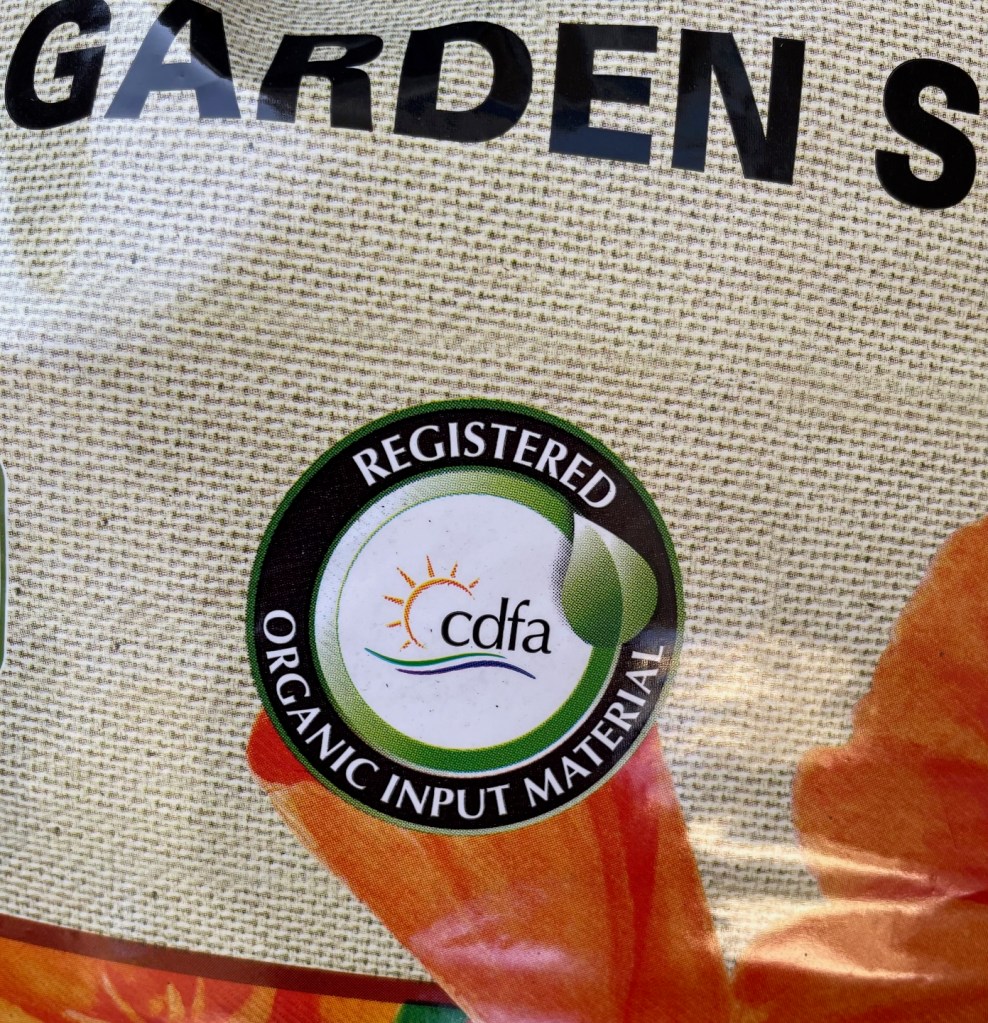
Beware of assuming that the term “organic” means pesticide-free when referring to soils, composts, and fertilizers. “Organic” is also used to refer to carbon-based molecules like carbohydrates and proteins and for garden materials, it may mean simply that the product contains materials derived from plants and animals instead of “inorganic” substances such as minerals like salt and granite. To make sure the product is truly free of added pesticides, fossil fuel-based fertilizers, and biosolids (I’ll explain further below), look for “Registered Organic Input Materials,” as shown in the picture. Note – there will likely be trace levels of pesticides in many soils and composts, even if they weren’t added intentionally, since those chemicals are used widely around the world.

I mentioned biosolids as a concern. Basically, they’re sewage sludge, and though they’re rich in nutrients, they may also be contaminated by toxic chemicals such as polyfluorinated alkyl substances (PFAS), heavy metals, pharmaceuticals, and industrial chemicals discharged into municipal waste systems. Many of these chemicals have been measured in edible parts of plants and earthworms grown in biosolids-containing soils. There is a similar concern with animal manures, commonly sold as fertilizers for use in gardens, in that they may contain heavy metals and other chemicals accumulated by the animals.
An alternative to store bought products is to compost your own food scraps, dry leaves, and woody material from your yard. You might also try a worm bin or indoor composting system.
From seed to harvest
It can be frustrating to lose produce and plants to competition from critters in your garden or have your plants crowded out by weeds, which my sister refers to as “highly successful plants.”
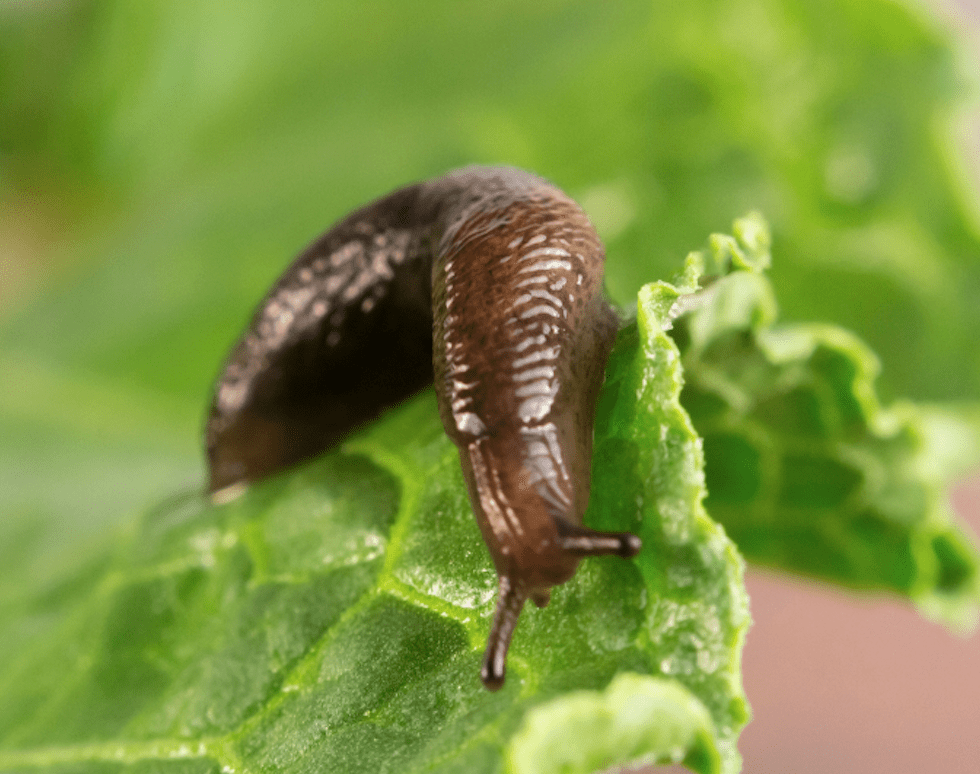
It’s tempting to resort to insecticides and herbicides, but exposure to some of them increase your risk for neurological disease, cancer, and hormone disruption. They can also be harmful to pets and beneficial animals in your garden, such as bees and other pollinators. Note – non-organic seeds and plants may be treated with pesticides so make sure you buy organic whenever possible. If your local nursery doesn’t stock them, try www.seedsofchange.com, which offers certified organic seeds.
Here are some options for controlling weeds and bugs without using toxic pesticides:
- Diversion: Place a shallow pan of beer near plants like strawberries to draw berry-chomping slugs and earwigs.
- Use physical barriers like bark chips to deter slugs, insect barrier netting over your plants, or mulch around plants to reduce weed growth.
- Old Farmer’s Almanac: https://www.almanac.com/organic-pesticides
- Xerces Society: https://www.xerces.org/pesticides
- Earth 911: https://earth911.com/home-garden/organic-gardening-pest-treatment/
 Dr. Laurel Standley