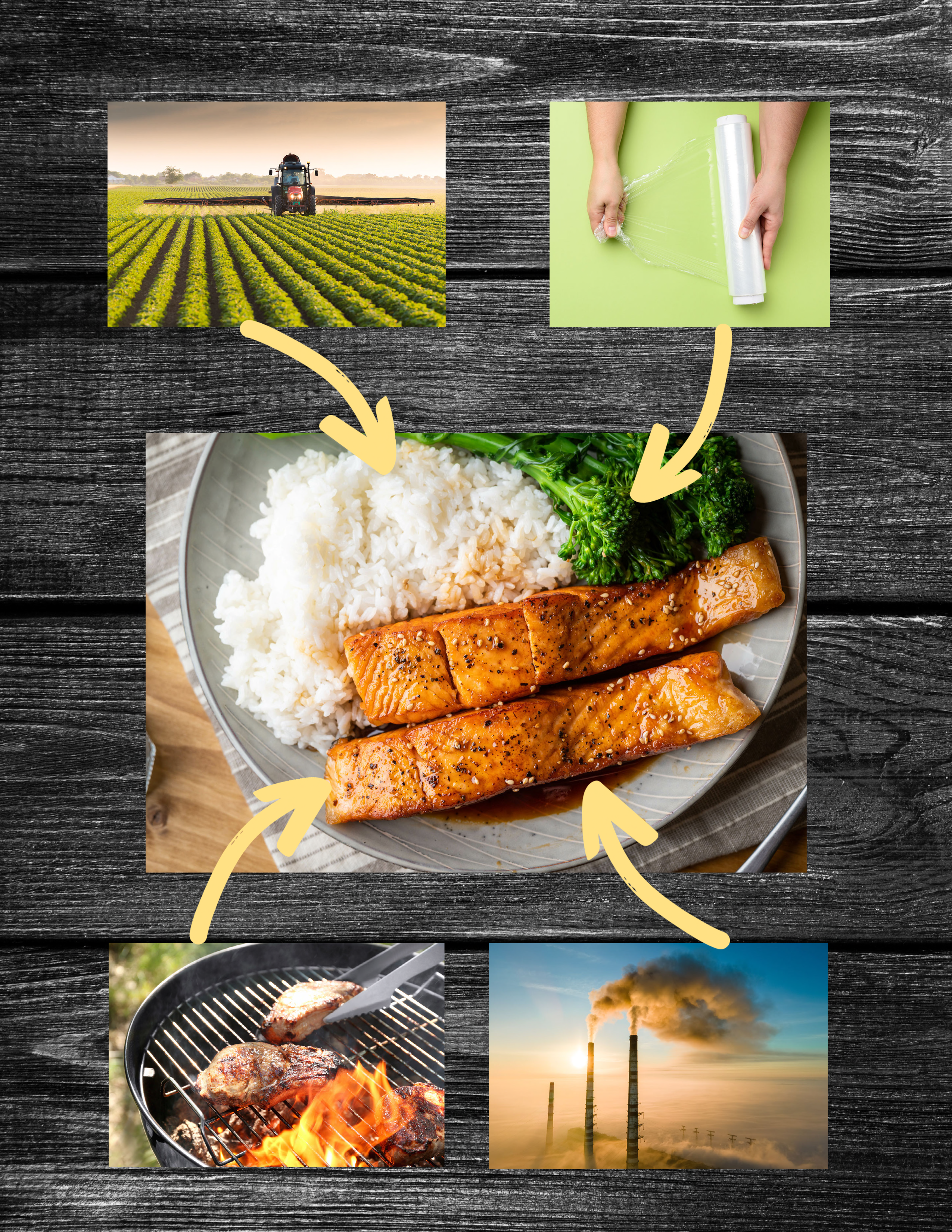
Toxic chemicals enter our food supply from many sources, including environmental pollution, chemical inputs during farming, processing, packaging, and cooking. Figuring out how to avoid them can feel overwhelming.
You may have heard about Professor Michael Pollan’s food rules.1 Though his rules are focused on health, following them can also get you most of the way on reducing the presence of toxic chemicals in your food, as I explain below. Though I only list his rules that are relevant to sources of contamination, I recommend reading his book for other rules that help weed out unhealthy sources of what he calls “foodlike substances.”
At the end of this post, I’ve listed a simple set of food rules you can follow focused on minimizing your exposure to sources of toxic chemicals to food.
Pollan’s food rules relevant to environmental pollution
- “Eat food. Not too much. Mostly plants.”
- “Eating what stands on one leg [mushrooms and plant foods] is better than eating what stands on two legs [fowl], which is better than eating what stands on four legs [cows, pig, and other mammals].”
- “Don’t overlook the oily little fishes.”
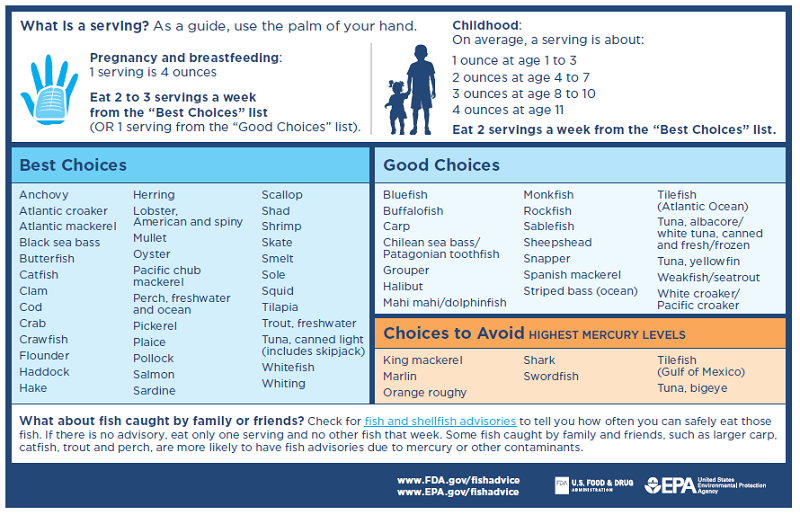
Eat mostly plants because animals such as cattle, pigs, fowl, and fish accumulate far more fat-soluble environmental contaminants, like PCBs and dioxins, than plants do. Note – animal products like eggs and full-fat dairy (e.g. cheese and butter) also contain higher levels of these chemicals than fat-rich plant sources like nuts, olives, and avocados.
Eating what stands on one versus two versus four legs is also relevant to the extent of environmental contamination since larger animals and organisms higher up the food chain accumulate more toxic, fat-soluble chemicals, whether they live on land or in water. For land-based species, increasing order of contaminant bioaccumulation is plants < fowl < goats/sheep < cattle. For aquatic species: algae < “oily little fishes” < larger fish. Removing fatty tissues from animal products before you cook them can help reduce the amount of toxic chemicals in your food.
For more information on bioaccumulation of fat-soluble contaminants, check this prior post. And these resources [EPA, EDF] can help you choose less contaminated fish.
Pollan’s food rule relevant to chemical inputs during farming
- “Choose organic whenever possible.”2
Produce and animal products grown via chemically intensive agriculture may be contaminated by toxic chemicals such as neurotoxic insecticides and carcinogenic herbicides. Intervention studies have shown that eating organic instead of conventionally produced foods results in lower levels of pesticides in urine of children and adults, demonstrating that many of these chemicals can be cleared from your body fairly quickly.3
If you can’t afford to buy all organic, download the EWG’s dirty dozen & clean fifteen lists, which help you avoid more contaminated produce.
Pollan’s food rules relevant to processing and packaging
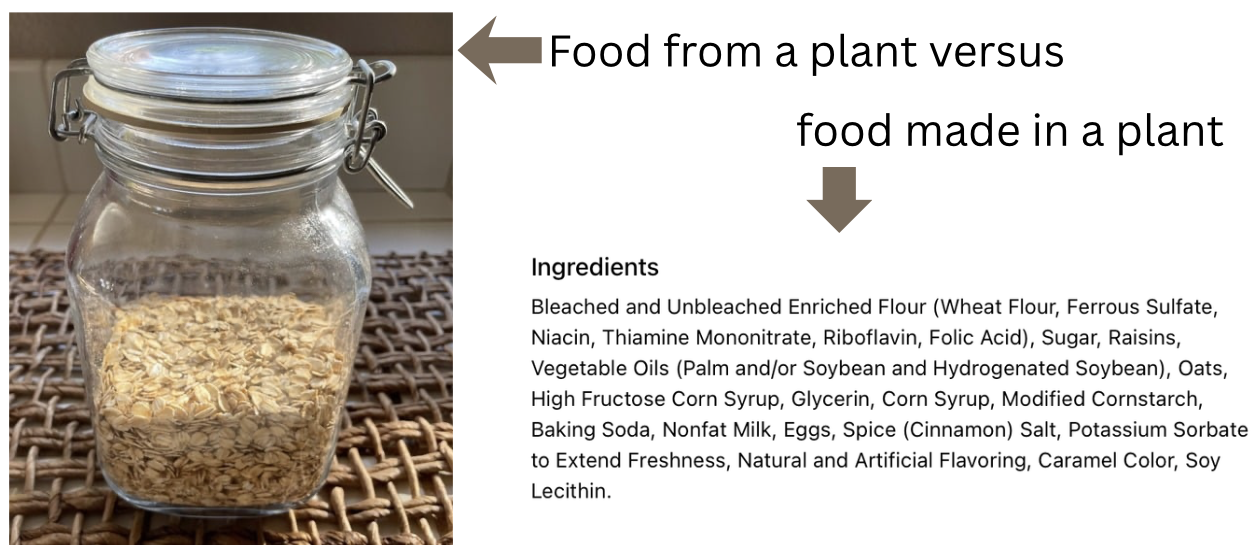
- “If it came from a plant, eat it; if it was made in a plant, don’t.”
- “Don’t eat anything your grandmother wouldn’t recognize.”
- “Avoid food products containing ingredients that no ordinary human would keep in the pantry.”
I’m a chemist and I don’t have chemicals like ethoxylated diglycerides or calcium propionate in my cupboard to cook with. Nor do you likely have this stuff in your kitchen, so eating foods with these often poorly regulated4 chemicals isn’t a great idea.
In addition to synthetic additives that preserve or change the texture of foods, processing equipment and packaging can leach or shed toxic chemicals and substances like plasticizers, pigments, PFAS, and microplastics into your food. Note – PFAS refers to per- and polyfluorinated chemicals, commonly called “forever chemicals” because they take so long to degrade in the environment and years to clear from your body.
Food rules relevant to cooking
- “Cooking for yourself is the only sure way to take back control of your diet from the food scientists and food processors.”
- An adapted version of “Don’t eat anything your grandmother wouldn’t recognize”: Don’t cook in anything your grandmother wouldn’t recognize.
If your grandmother was like mine, born in the early part of the 20th century, she definitely didn’t have PFAS nonstick pans to cook in. Nor did she heat or store foods in plastic containers.
You don’t have control over the types of containers companies use to cook your food in or pour and wrap it into to keep it from leaking or spoiling. However, you do have control over the types of pans and storage containers you keep in your kitchen.
To avoid containers and pans that shed or leach microplastics, plasticizers, neurotoxic aluminum, per- and polyfluorinated chemicals, and other chemicals added to plastics such as pigments and stabilizers, skip pans and containers made from plastic, aluminum, and nonstick products made with PFAS chemicals. Note – “PFOA-” and “PFOS-free” do not mean entirely free of fluorinated chemicals. If you’re not sure, contact the manufacturer to make sure they’re completely free of fluorinated chemicals.
Safest alternatives are glass (e.g. Pyrex), cast iron, and stainless steel for cooking and glass or lead-free ceramic dishware, canning jars, or clean glass jam and peanut butter jars for storage. This goes for drinking water and other beverage bottles as well. This article lists brands offering lead-free ceramic dishware.
Short list of rules for reducing toxic chemicals in your food
To simplify your decisions on what to eat, here are my four essential Food Rules to help you avoid many of the toxic chemicals that find their way into your food from farm to factory to kitchen and table:
- Eat a mostly plant-based diet and smaller/lower on the food chain for animal sources.
- Choose organic whenever possible.
- Eat mostly whole, unpackaged food.
- Avoid plastic, aluminum, and PFAS-based nonstick containers and cookware.
For more information, you may follow me on social media – LaurelJStandley on Bluesky, Threads, and Instagram.
References
- Food Rules. 2011. An Eater’s Manual. Michael Pollan. Illustrated by Maira Kalman.
- https://michaelpollan.com/resources/sustainable-eating-nutrition/
- Hyland, C. et al. (2019). Organic diet intervention significantly reduces urinary pesticide levels in U.S. children and adults. Environ. Res. 171:568-575.
- Harrison, R. August 8, 2024. How a legal loophole allows unsafe ingredients in U.S. foods. NYU News Story. https://www.nyu.edu/about/news-publications/news/2024/august/legal-loophole-unsafe-ingredients.html
 Dr. Laurel Standley