
There are many popular diets out there and, other than the Standard American Diet (SAD), each have strengths and weaknesses with respect to the potential presence of toxic chemicals in recommended foods. In this post, I’ll discuss which aspects of those diets are best and which expose you to foods that are more vulnerable to contamination. I’ve listed them in order of decreasing presence of toxic chemicals – in other words, worst is first.
Standard American Diet (SAD)1
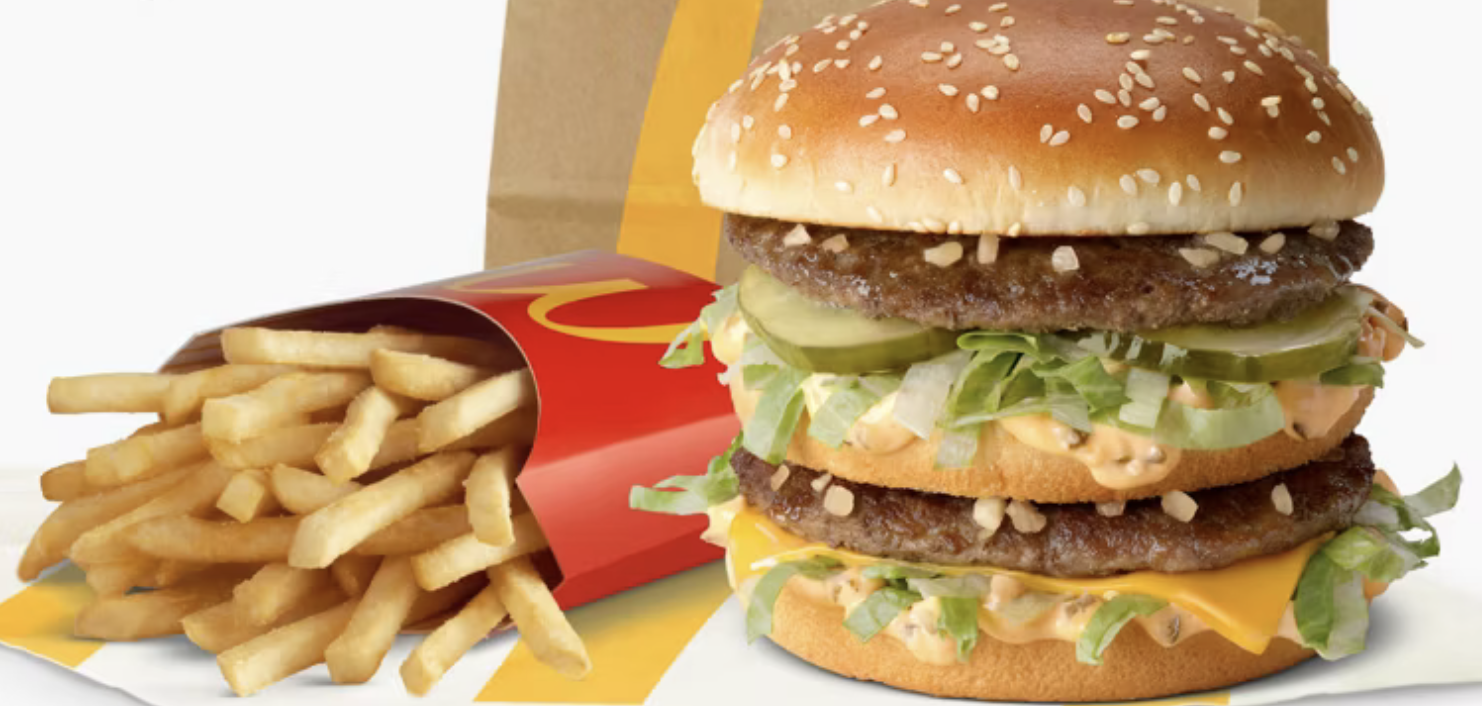
The Standard American (or Western) Diet is high in saturated animal fats and refined carbohydrates. People who eat this way also tend to eat more processed and packaged foods. This diet is vulnerable to the increased presence of the following toxic chemicals:
- Animal fats from meats and dairy contain fat-soluble pollutants, such as dioxins and PCBs. Check out this post for more information.
- Packaged and processed foods contain higher levels of toxic microplastics, plasticizers, and synthetic additives.
Bottom line: the SAD diet introduces many sources of toxic chemicals.
Revised HHS Guidelines2
Recently revised food guidelines from Health and Human Services emphasize getting protein from animal-based sources, including “eggs, poultry, seafood, and red meat, as well as a variety of “plant-sourced” proteins. It also recommends consuming 3 servings a day of full-fat dairy. It emphasizes eating plenty of vegetables, fruits, and whole grains, and limits highly processed foods, refined carbohydrates, and chemical additives. This diet is vulnerable to the increased presence of the following toxic chemicals:
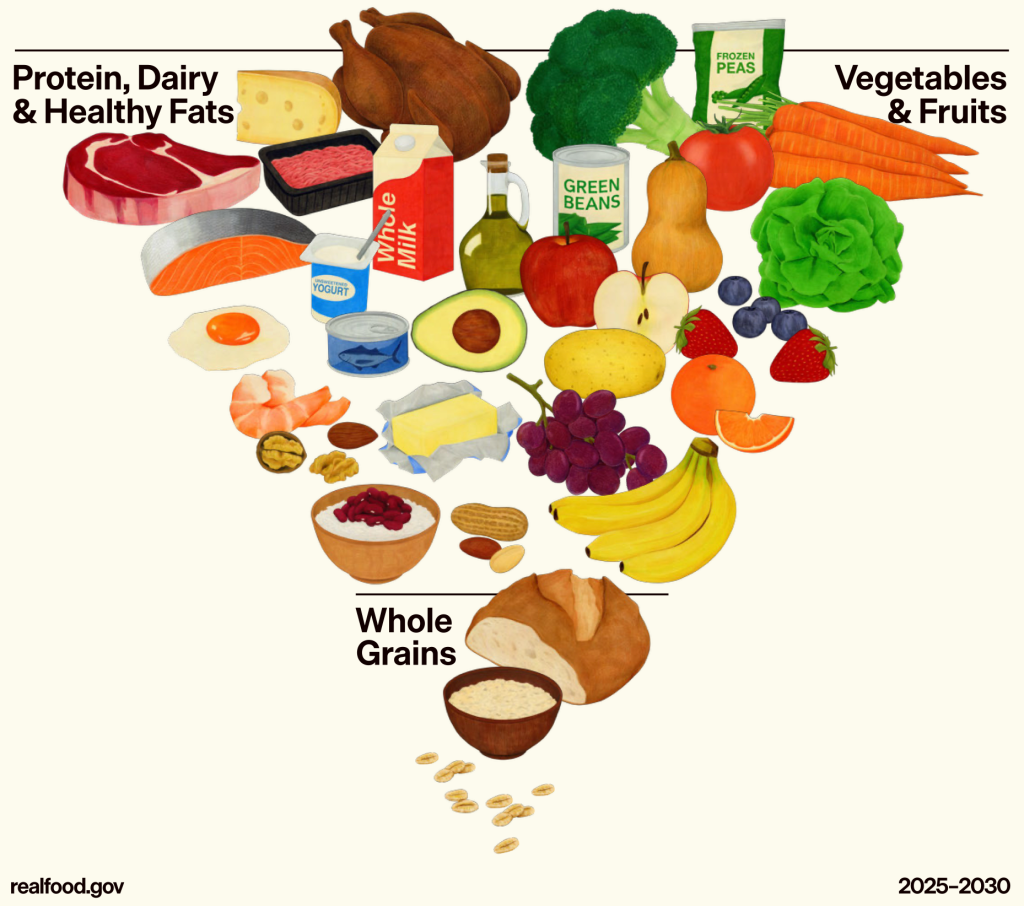
- Animal fats from meats and dairy contain fat-soluble pollutants, such as dioxins and PCBs. Check out this post for more information.
This diet reduces the presence of toxic chemicals in the following ways:
- Reduced consumption of processed/packaged foods, which contain higher levels of toxic microplastics, plasticizers, and synthetic additives.
Bottom line: an improvement over the SAD diet, however, inclusion of meat and dairy fat introduces toxic chemicals that are difficult for your body to remove.
Mediterranean Diet3
The Mediterranean Diet emphasizes consuming an abundance of plant-based foods, whole grains, and healthy fats, such as extra virgin olive oil. It includes a moderate amount of dairy like cheese and yogurt but not butter. It also recommends consumption of poultry, fish, or beans instead of red meat. This diet is vulnerable to the increased presence of the following toxic chemicals:
- Consumption of animal fats from poultry, fish, and dairy that contain fat-soluble pollutants like dioxins and PCBs.
- Consumption of fish that may be contaminated by PCBs and mercury. Note – use this guide to choose safer fish.
This diet reduces the presence of toxic chemicals in the following ways:
- Reduced consumption of processed foods, which contain higher levels of toxic microplastics, plasticizers, and synthetic additives.
- Reduced consumption of red meats, which contain higher levels of fat-soluble pollutants, such as dioxins and PCBs, than poultry. Keep in mind inclusion of dairy fats can counter that benefit.
Bottom line: a moderately good diet to reduce some sources of toxic chemicals.
Diabetic/Heart Healthy Diets (DASH)4
These diets emphasize consumption of vegetables, fruits, and whole grains and include fat-free or low-fat dairy products, fish, poultry, beans, nuts, and vegetable oils. They limit foods high in saturated fat, such as fatty meats, full-fat dairy products, and tropical oils such as coconut, palm kernel, and palm oils. These diets are vulnerable to the increased presence of the following toxic chemicals:
- Fat in poultry and fish may be contaminated by toxic chemicals such as dioxins, PCBs, and mercury.
These diets reduce the presence of toxic chemicals in the following ways:
- Lower consumption of meats and high-fat dairy products reduces exposure to fat-soluble pollutants like dioxins and PCBs.
- Reduced consumption of processed foods, which contain higher levels of toxic microplastics, plasticizers, and synthetic additives.
Bottom line: good diets to reduce many sources of toxic chemicals.
Vegan and Vegetarian Diets
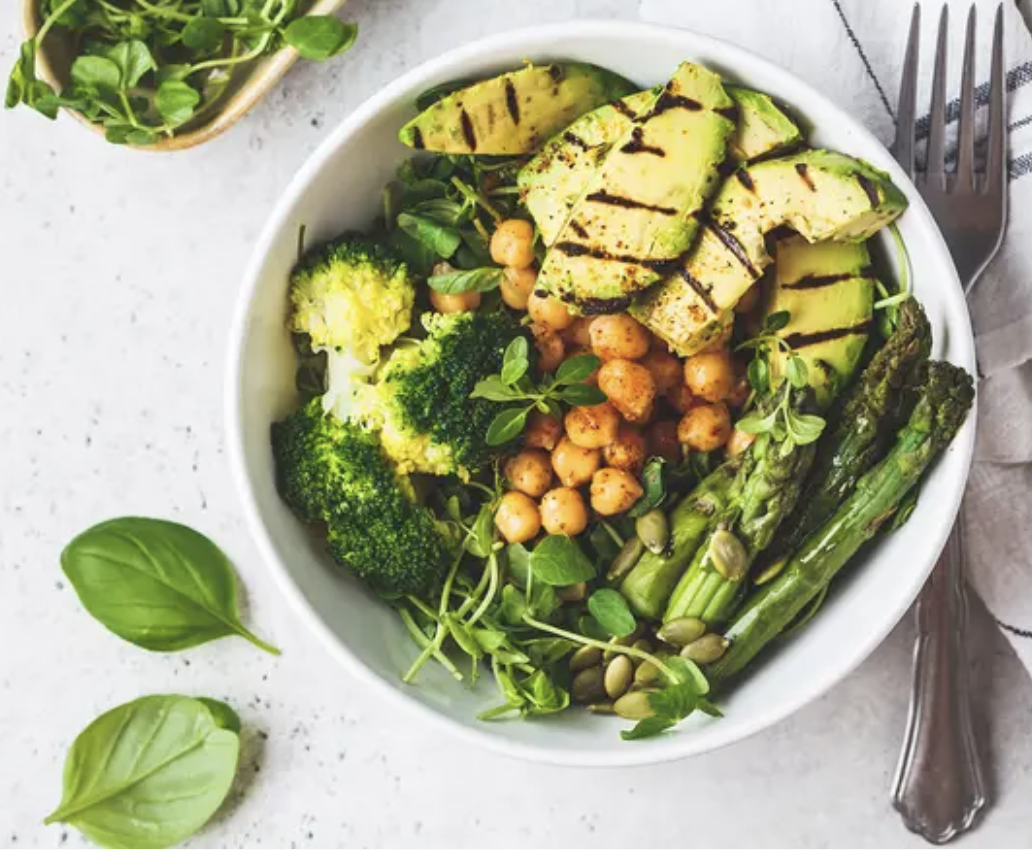
Vegan and vegetarian diets emphasize plant-based foods, but the vegetarian diet allows dairy and eggs. Neither has recommendations regarding consumption of processed and packaged foods, as they are more focused on what you leave out, e.g. animal sources of foods. These diets are vulnerable to the increased presence of the following toxic chemicals:
- Packaged and processed foods contain higher levels of toxic microplastics, plasticizers, and synthetic additives.
- The vegetarian diet is vulnerable to sources of fat-soluble pollutants from high fat dairy and eggs.
These diets reduce the presence of toxic chemicals in the following way:
- Avoidance of meats and fish containing fat-soluble pollutants, like PCBs and dioxins.
Bottom line: the magnitude of exposure to toxic chemicals is dependent on whether dairy and eggs and processed/packaged foods are included.
Okinawa (Blue Zones) Diet5
The Okinawan diet consists of 90% plant-based foods, focused on vegetables, beans, and sweet potatoes and includes less than 1% fish, meat, or dairy and eggs. Its focus is on unprocessed, unpackaged foods. This diet reduces the presence of toxic chemicals in the following ways:
- Minimal consumption of meats, dairy, and eggs that contain fat-soluble pollutants.
- Minimal consumption of fish, that may accumulate toxic chemicals.
- Minimal consumption of processed foods, which contain higher levels of toxic microplastics, plasticizers, and synthetic additives.
Bottom line: an excellent diet to reduce many sources of toxic chemicals.
Conclusion
Ultimately, eating a mostly whole food, plant-based, and organic diet is your best bet for reducing your exposure to toxic chemicals. The worst is a diet heavy in animal fats and processed/packaged foods.
For more information, you may follow me on social media – LaurelJStandley on Bluesky, Threads, and Instagram.
References:
- Walker, C. The effects of an American diet on health. University of Alabama at Birmingham Undergraduate Research Journal. https://www.uab.edu/inquiro/issues/past-issues/volume-9/the-effects-of-an-american-diet-on-health
- Dietary Guidelines for Americans. https://cdn.realfood.gov/DGA.pdf
- Mediterranean Diet, Cleveland Clinic. https://my.clevelandclinic.org/health/articles/16037-mediterranean-diet
- DASH Eating Plan. Updated 10 January, 2025. https://www.nhlbi.nih.gov/education/dash-eating-plan
- The Okinawa Diet: eating and living to 100. https://www.bluezones.com/2017/05/okinawa-diet-eating-living-100/
Photo links:
SAD diet: https://www.mcdonalds.com/us/en-us/whats-hot.html
HHS pyramid: https://cdn.realfood.gov/DGA.pdf
Vegan diet: https://www.rush.edu/news/health-benefits-vegan-diet
No part of this blog was generated using AI, nor is the content available for use by AI entities without prior approval and compensation.
 Dr. Laurel Standley